Open science fuelled the discoveries shaping our world. But can it survive authoritarianism, geopolitics & proprietary AI? Join the dialogue.
For over a decade, open science has been a promise that sharing research, methods, data, and teamwork across borders solves humanity’s greatest challenges. But today, in times of growing nationalism, security concerns and authoritarianism, we stand at a crossroads. And the stakes have never been higher — not just for science, but for society itself.
What’s at Stake for Society?
Open science is not merely an academic ideal — it is the infrastructure of collective problem-solving and the engine of scientific progress itself. Virtually every breakthrough today builds on openly shared findings, methods, and data, thus the free flow of knowledge across borders and institutions. Transparency and reproducibility, upheld through open access to methods and data, are the foundation of scientific integrity and public trust. If we retreat from openness, we risk a return to opaque, unverifiable research
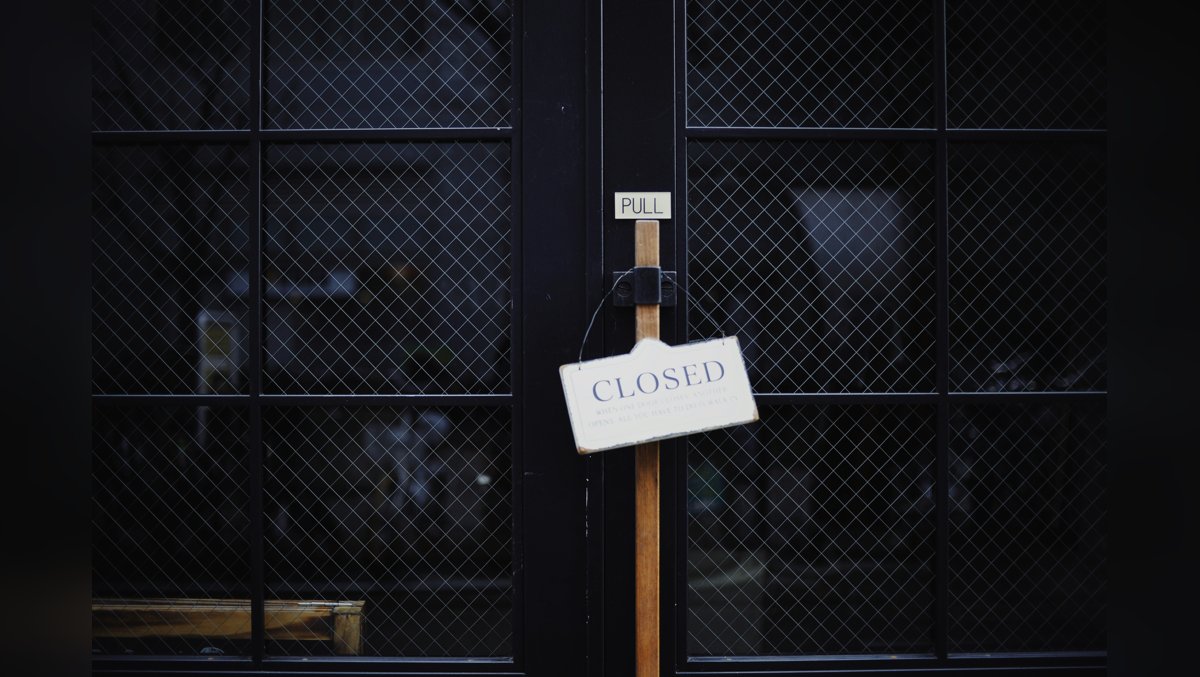
Multiple Pressures to close
Yet the pressures to close are mounting from multiple directions. Geopolitical tensions fracture international partnerships. Governments invoke research security and technological sovereignty, restricting knowledge flows in the name of dual-use concerns. The most powerful AI systems reshaping science today were built on openly shared research — yet they are closed and proprietary, and are now being used to flood the research ecosystem with content of questionable quality.
How Do We Preserve Openness in a Closing World?
Yet is the choice really between fully open and fully closed? Or can we design frameworks that balance transparency with legitimate security concerns, ensure AI systems trained on open data contribute back, and protect international collaboration while addressing dual-use risks? Join us for a critical dialogue together with experts on international cooperation and Open Science and contribute your insights and experiences.
Festival Centre Event:
- in the Angie Stardust Foyer.
- Part of the Art-Science Practioner’s Route.
How to attend
- Free entry.
- Pre-register to secure your spot (see button).
- To attend this event, please book your free 3-Day Festival Centre Pass.
Accessibility
- Wheelchair accessible.
- More accessibility information available here.
Speaker
- Sakine Weikert (German Academic Exchange Service (DAAD)/ Centre for International Academic Cooperation (KIWi))
- Kamran Naim (European Organisation for Nuclear Research (CERN))
- Andrea Fleschenberg dos Ramos Pinéu (Humboldt-Universität zu Berlin/Institute of Asian and African Studies)