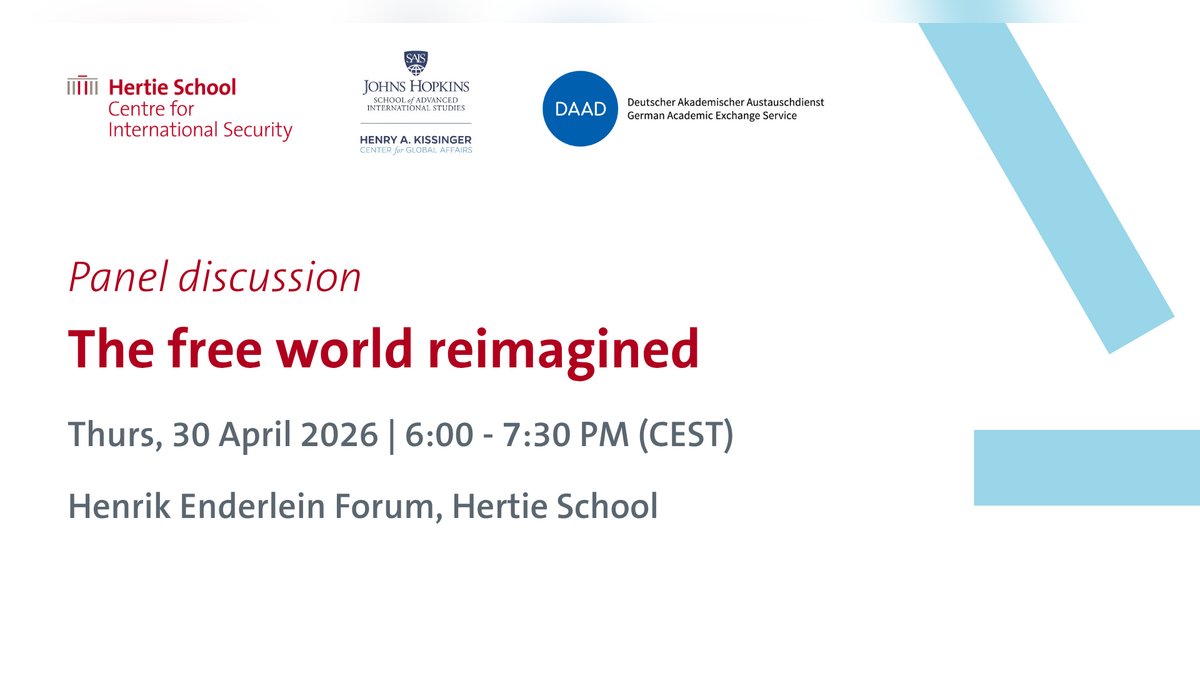
Join us for a critical discussion on the future of the international order. Can it be saved? What still holds it together? And what should the “Free World” stand for in a time of uncertainty?
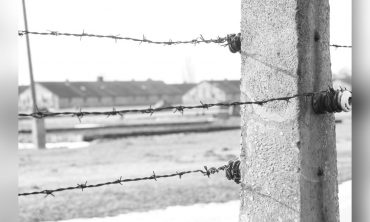
The Free World arose out of the ashes of the Second World War. Out of devastation and loss, a new vision for international order emerged—one rooted in the principles of democracy, open markets, human rights, and collective security. The United States stood at the center of this effort, acting as the principal architect of a system that sought to bind nations together in pursuit of peace and prosperity. Germany and Japan, once devastated by defeat, became two of its key beneficiaries.
Today, that order is under unprecedented strain. Economic fragmentation, strategic competition with China, and Russia’s ongoing war of aggression against Ukraine have all contributed to an erosion of trust in the very norms and institutions that underpinned the postwar system. The rise of populism, nationalism, and illiberal movements within democracies themselves poses an additional challenge: it is not only external rivals who test the system, but internal doubts and divisions.
Can this order still be saved? If so, how? What still binds the free world together? How should the “Free World” be depicted today—normatively, politically, and strategically—at a time when confidence in its coherence is fading?
This event is funded by the DAAD using funds from the Federal Foreign Office (AA).